

Freezing Temperatures Right Now: How to Protect Your Pipes and Prevent Water Damage
Freezing Temperatures Right Now: How to Protect Your Pipes and Prevent Water Damage
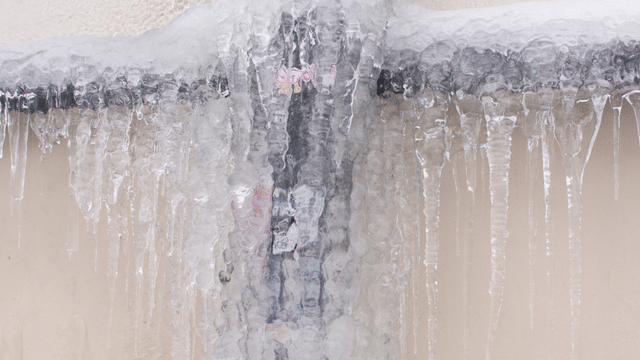
When temperatures drop to freezing or below, pipes can freeze and burst quickly — often with little warning. A single burst pipe can release hundreds of gallons of water in minutes, causing damage to walls, floors, ceilings, and personal belongings.
The good news? A few simple actions taken today can significantly reduce the risk of frozen pipes and costly water damage.
Why Pipes Freeze in Extreme Cold
Pipes are most likely to freeze when they’re located in unheated or poorly insulated areas such as basements, crawlspaces, attics, garages, and exterior walls. When water inside the pipe freezes, it expands — putting pressure on the pipe until it cracks or bursts.
Freezing often happens overnight or when temperatures stay below freezing for extended periods.
What to Do Right Now to Protect Your Pipes
If you haven’t already, take these steps immediately:
-
Keep heat on and consistent, even overnight. Avoid turning the thermostat down too low.
-
Open cabinet doors under sinks to allow warm air to circulate around plumbing.
-
Let faucets drip slightly, especially those on exterior walls.
-
Check vulnerable areas like basements, crawlspaces, garages, and attics for exposed pipes.
-
Close garage doors and block drafts near plumbing where possible.
-
Disconnect and drain outdoor hoses if they haven’t already been winterized.
These small actions help relieve pressure in pipes and keep water moving — two key factors in preventing freezing.
Warning Signs a Pipe May Be Freezing
Pipes don’t always burst without clues. Watch for these warning signs:
-
Little or no water flow when a faucet is turned on
-
Frost or condensation on exposed pipes
-
Unusual smells
-
Damp spots on walls, ceilings, or floors
If you notice any of these signs, act quickly. Early intervention can prevent a minor issue from becoming major damage.
If a pipe does freeze or burst:
-
Shut off the water immediately at the main valve.
-
Avoid using electrical devices near standing water.
-
Call for professional help as soon as possible — fast response can greatly reduce damage and restoration time.
Stay Prepared During Extreme Cold
Winter weather can be unpredictable, but preparation goes a long way. Taking preventive steps now can help protect your home or building during extreme cold and give you peace of mind when temperatures drop.
If you have questions or need help after cold-related damage, our team is here to help. Stay warm and stay safe.
