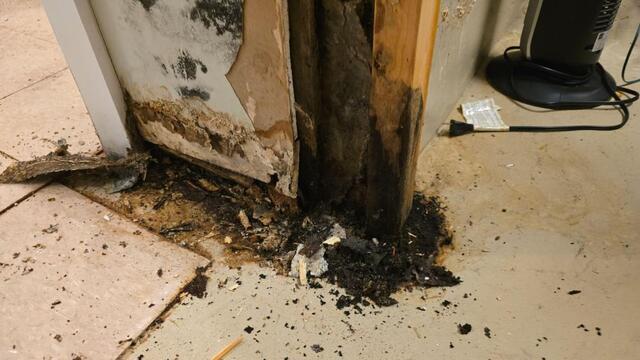
What to Do If You Suspect Moisture or Mold Concerns in Winter
Winter Water Damage & Mold Concerns: Why Cold Weather Makes Moisture Problems Harder to Detect
When winter temperatures drop, most property owners focus on staying warm — not on water damage or mold concerns. But cold weather can make moisture issues harder to detect, which means they’re often discovered later than expected rather than when they first begin.
At United Services by Permaco, many winter service calls aren’t caused by sudden disasters. They’re the result of slow, hidden moisture problems that developed quietly during cold weather and weren’t immediately visible.
When moisture issues are identified early, they’re typically easier to address, less disruptive, and more cost-effective.
Why Winter Water Damage Is Harder to Detect
Cold weather changes how buildings function. During winter:
-
Homes and buildings are sealed tightly to retain heat
-
Ventilation is reduced
-
Attics, basements, and crawlspaces are checked less often
-
Heating systems dry surface air while allowing moisture to remain trapped inside walls
Leaks from plumbing issues, roof infiltration, snow melt, or condensation can continue behind walls and ceilings without obvious signs. By the time damage becomes visible, insulation, drywall, or framing may already be affected.
How Winter Moisture Can Lead to Mold Concerns
Mold does not require warm temperatures to develop. It needs moisture, time, and limited airflow — conditions that winter naturally creates.
When water from leaks or condensation becomes trapped inside wall cavities, attics, or insulation, cold air slows evaporation. Heating systems can mask moisture problems, allowing conditions that support mold growth to persist unnoticed.
This is why mold concerns are often identified during winter, even though mold is commonly associated with warmer months.
Common Areas Where Mold Concerns Arise in Winter
Walls and Ceilings
Condensation forms when warm indoor air meets cold exterior surfaces. Over time, moisture can collect inside wall cavities, creating conditions that allow mold to develop.
Watch for:
-
Discoloration or bubbling paint
-
Soft or warping drywall
-
Persistent musty odors
Attics and Roof Systems
Ice dams, roof leaks, and ventilation issues can introduce moisture into attic spaces, where insulation traps it.
Watch for:
-
Dark staining on roof decking
-
Damp or compressed insulation
-
Unusual attic odors
Basements and Crawlspaces
Cold foundation walls and limited airflow make these areas especially vulnerable during winter months.
Watch for:
-
Mold spotting on walls or framing
-
Damp concrete surfaces
-
Condensation on pipes or foundation walls
Windows and Exterior Walls
Condensation around windows is common in winter. When moisture persists, mold-related issues can develop inside trim and framing.
Watch for:
-
Swollen or soft window trim
-
Peeling paint
-
Moisture that returns after wiping surfaces dry
Why Mold Concerns Are Often Identified Later in Winter
Winter mold concerns may go unnoticed because:
-
Leaks can freeze temporarily and reappear later
-
Cold temperatures slow visible deterioration
-
Heating systems mask moisture issues
-
Affected areas are often out of everyday sight
Addressing moisture early often prevents more extensive problems from developing.
Signs You May Have Hidden Moisture or Mold Concerns
Even without visible mold growth, warning signs may include:
-
Persistent musty or earthy odors
-
Increased allergy or respiratory irritation indoors
-
Ongoing condensation on windows or walls
-
Past water damage that wasn’t professionally dried
If moisture conditions are present, mold concerns may already be developing behind the scenes.
What to Do If You Suspect Water Damage or Mold Concerns in Winter
If you notice signs of moisture or possible mold:
-
Avoid disturbing visible growth or affected materials
-
Address the moisture source as soon as possible
-
Do not rely on surface drying alone
-
Contact a professional restoration team to assess conditions
Proper winter response focuses on controlled drying, moisture monitoring, and correcting the conditions that allow mold to develop. When needed, next steps can be coordinated with qualified mold remediation professionals.
Preventing Winter Water Damage and Mold Concerns
Simple preventative steps can significantly reduce risk:
-
Maintain consistent indoor temperatures
-
Monitor indoor humidity levels
-
Use exhaust fans in kitchens and bathrooms
-
Inspect attics, basements, and crawlspaces periodically
-
Address leaks and condensation early
Moisture control is the most effective way to prevent both water damage and mold-related issues.
Professional Help — When Timing Matters
Cold-weather moisture problems don’t always announce themselves loudly, but identifying them early can make a significant difference in the scope of repairs and disruption.
United Services by Permaco provides 24/7 water damage response and moisture control services throughout the winter season. When mold concerns are present, our team helps identify contributing conditions and guides property owners toward the appropriate next steps.
If you suspect hidden moisture or mold concerns this winter, our team is here to help protect your home or business.